
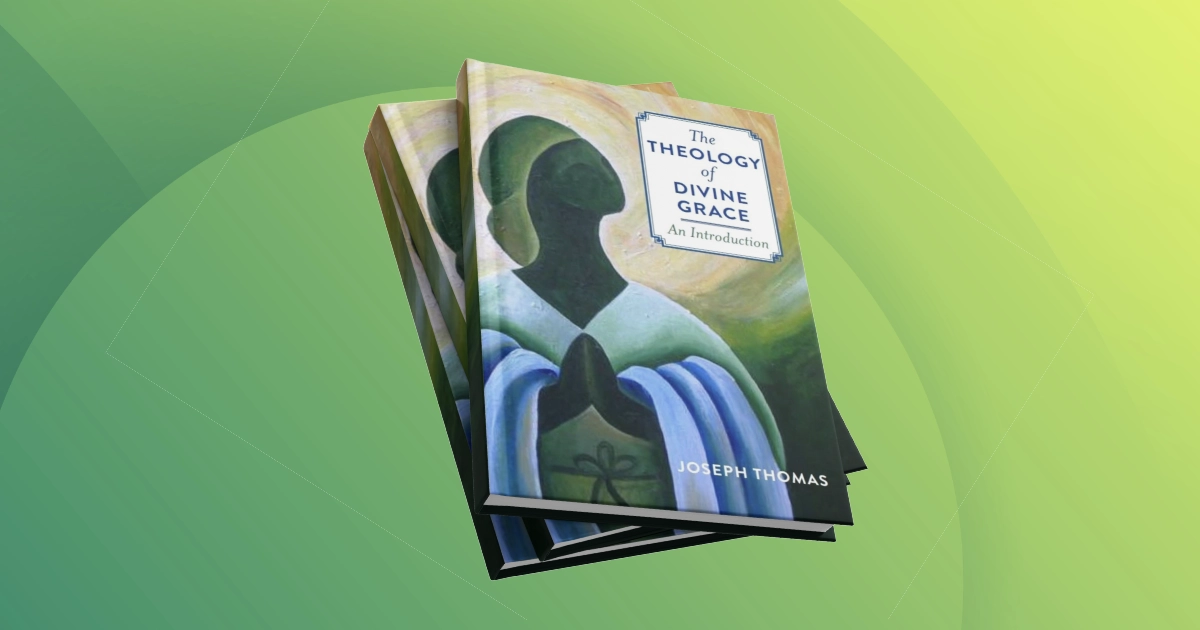
Joseph Thomas.
The Theology of Divine Grace: An Introduction
Scepter, 2023
178 pages
ISBN 978-1594174803
Reading this book is an excellent antidote to the vast amounts of noise in modern discourse, whether from so-called leaders, influencers, and keyboard warriors who don’t seem to have a clue about their eternal destiny or what is truly important for all of us. We could fall into the trap of thinking that God has forgotten about us, what with things being so frighteningly bad out there, with wars and rumours of war. Joseph Thomas takes us through the history of the development of our understanding of grace in both the Old Testament and the New Testament and through controversies involving such characters as Pelagius and Augustine from the early centuries right up to Luther and Calvin and the doctrine of the Council of Trent.
In the very first chapter, the author spells out clearly how it is God who takes the initiative with regard to our salvation. God, from all eternity, has wanted man to share in His own divine life. Through the will of God we can realise the purpose of our existence. So many people, including very brilliant ones throughout the centuries, have had things the other way around, almost thinking that we are doing God a favour by acknowledging His existence, not to mention by giving Him worship.
Chapter 2 is devoted to the meaning of grace and we are taken through what it has meant in both the Old Testament and the New Testament. In the Old Testament, grace can be understood as the loving attitude of God, who, freely and without any merit on our part, comes to the aid of His people, both in Creation where God in a plan of sheer goodness freely created man to make him share in His own blessed life and furthermore chose a people on whom He manifested His special love. With ample quotes from the evangelists, especially St. Paul, he clearly demonstrates that grace is a gift from God, for example in Ephesians 2:7–9 where we are told: “For by grace you have been saved through faith; and this is not your own doing, it is the gift of God – not because of works, lest any man should boast.” (Ephesians 2:7–9).
Chapter 3, entitled “Grace as Indwelling of the Holy Spirit,” deals with the idea that the Trinity dwells within us, quoting the Angelic Doctor, St. Thomas Aquinas, who explained that while God is present in all things as their Creator, through grace He becomes present in the person in a special way, as the object known is in the knower and the beloved is in the lover. The author traces our understanding of the presence of the three divine persons in the soul through the Epistles of St. Paul, the writings of the Fathers, and various Popes and conciliar documents. In the words of Pope Leo XIII, the Holy Trinity’s presence within the soul brings about a union of charity with God which differs “only in degree or state from that with which God beatifies the saints in heaven. (Pope Leo XIII, Divinum Illud Munus (1897),) What an awesome thought!
Other themes developed are:
Grace as Divine Filiation in Christ Grace as Forgiveness from God: Justification Grace as Interior Transformation Man’s Need for Grace God’s Grace and the Reality of Human Freedom Grace, Freedom, and God’s Plan of Salvation The Progress and Final End of the Life of Grace.
During these chapters the author takes us through the history of thought on this subject and the great controversies that have divided Christians through the centuries. It gives an excellent account of the Catholic position in a non-polemical manner. Highly recommended.